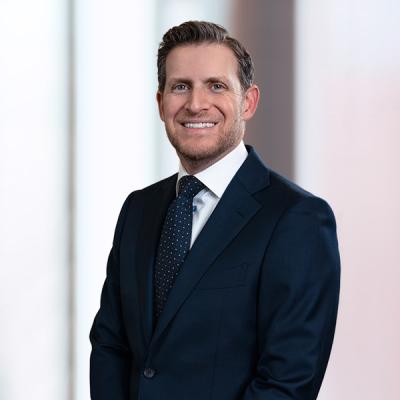
Attorney Spotlight: Adam Banack on the Next Generation of Nuclear Energy
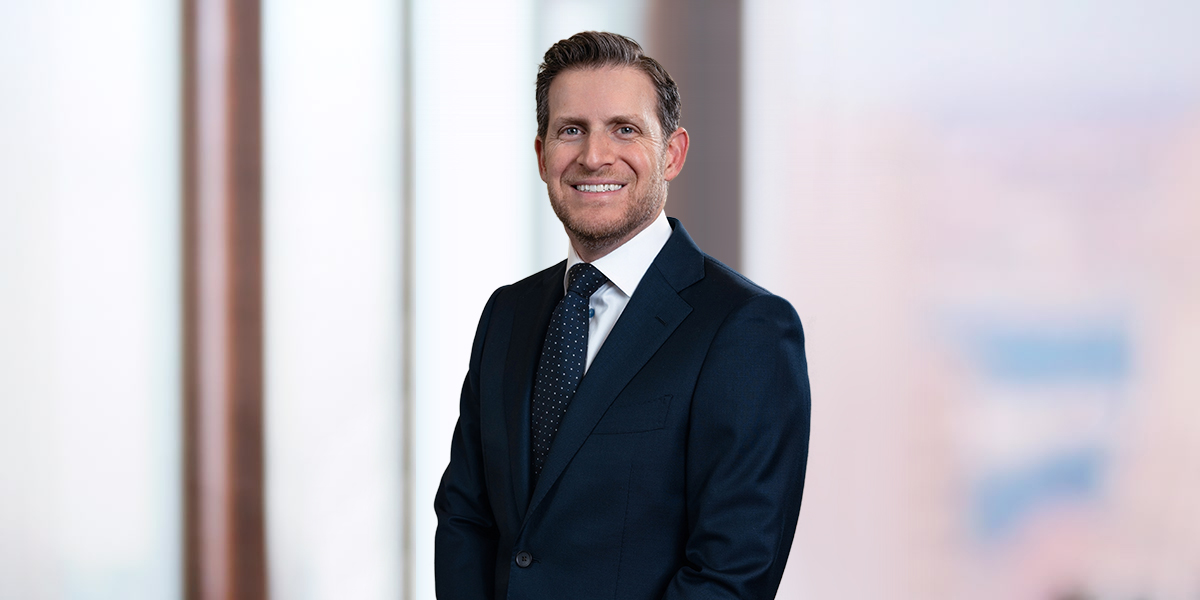
Attorney Spotlight: Adam Banack
Adam is a Partner at Mintz who advises project participants spanning the energy infrastructure ecosystem — representing government authorities, developers, construction contractors, service providers, lenders, and underwriters — on all aspects of development and financing of major energy projects.
Nuclear power is in the spotlight as demand grows for clean and reliable energy, with Canada emerging as a leader in nuclear innovation. What is driving this renewed momentum, and where are you seeing the most activity in your practice?
We’re seeing a convergence of forces that has put nuclear — particularly small modular reactors (SMRs) — firmly back on the critical path for energy and infrastructure development. Electrification driven by data centers, advanced manufacturing, and broader decarbonization goals is colliding with a recognition that intermittent renewables alone cannot meet baseload demand. This momentum is now being translated into concrete deployment, most notably through GE‑Hitachi’s BWRX‑300 SMR at Ontario Power Generation’s (OPG) Darlington site, which is under construction and expected to be the first SMR built in the G7, positioning Canada at the forefront of global deployment.
That flagship project sits within a broader, coordinated pan‑Canadian SMR strategy that brings together federal and provincial governments, utilities, regulators, Indigenous communities, and private developers, and is expressly designed to move from first‑of‑a‑kind (FOAK) delivery to repeatable, exportable projects. Existing nuclear operators are intentionally using these FOAK builds to generate operating experience that can be transferred to other jurisdictions in Canada and internationally, including emerging nuclear markets in Europe.
Alongside the Darlington project, multiple reactor technologies are being advanced across the country — such as ARC Clean Technology’s work in Eastern Canada and X‑energy’s Xe‑100 program in Alberta — while Canada continues to invest in its homegrown CANDU platform, including advanced and modularized variants, reinforcing a uniquely Canadian nuclear ecosystem supported by domestic uranium supply, medical isotope production, and parallel progress on long‑term waste solutions through the Nuclear Waste Management Organization’s deep geological repository.
Canada has been especially well positioned in this moment. A mature regulatory framework, a highly skilled nuclear workforce, and strong public‑sector sponsorship — particularly in Ontario — have created a credible pathway from demonstration to deployment. That support has translated into substantial financial commitment, with the federal government investing $2 billion through the Canada Growth Fund and the Province of Ontario committing $1 billion through the Building Ontario Fund to support Ontario Power Generation’s SMR project at Darlington, alongside earlier design‑stage financing from the Canada Infrastructure Bank. Combined with OPG’s balance‑sheet strength and growing participation from private and Indigenous capital, this alignment between governments, utilities, and investors has moved SMRs out of the realm of policy aspiration and into tangible, financeable infrastructure delivery.
Drawing on decades of experience advising developers, investors, and lenders on first‑of‑a‑kind energy and infrastructure projects, Mintz’s Sustainable Energy & Infrastructure (SEI) Group is uniquely positioned to support clients navigating early‑stage SMR deployment across both Canada and the United States. In our practice, with respect to nuclear, we have been focused on advising and structuring how risk is allocated contractually and structurally. This includes project delivery models, offtake arrangements, public-sector support mechanisms, and cross-border financing structures. Our ultimate goal is to set up structures that allow clients to make their first-time projects replicable, financeable, and ultimately cheaper, at scale.
You’ll be moderating an upcoming Reuters panel on “Structuring Bankable Deals in the SMR Market.” What themes are you most excited to discuss?
What excites me most about this discussion with leading experts from the banking community is that we are in a moment where we are seeing the nuclear sector move past theory. The panel is focused squarely on what is happening — or not happening — in live transactions today.
One key theme is risk ownership: construction, technology, regulatory timing, and organizational risk all show up immediately in lender diligence, and the debate is no longer whether those risks exist, but who is actually best placed to bear them. Closely tied to that is the role of credit enhancement — from loan guarantees and utility partnerships to long‑term offtake commitments — and an honest assessment of which tools are genuinely moving deals forward versus those that look compelling on paper but fall short in practice.
Another area I’m looking forward to exploring is the “pilot‑to‑scale” challenge. SMRs rely on learning‑curve economics, but lenders still need credible evidence today to finance the first units. How developers quantify cost reduction, what data banks are really demanding, and how success or failure in early projects shapes future capital availability are all critical questions for the industry.
The goal is a practical conversation. We expect to discuss the industry’s successes in this regard with the audience, along with those challenges and hurdles that have yet to be overcome.
What is a fun fact about yourself outside of your legal work?
When I’m not working, you’ll usually find me either on the water or on the golf course. I’m passionate about waterskiing — it’s my favourite way to unplug, move fast, and reset — and I enjoy golf for the opposite reason — it’s slower, strategic, and usually comes with good conversation and a bit of friendly competition.
Author